Combining Class 4 Laser Therapy into Comprehensive Health Methods


Class IV laser therapy is gaining traction in holistic health practices as a non-intrusive method for facilitating recovery and alleviating discomfort. With its ability to access underlying tissues and stimulate cellular activity, this cutting-edge technique is emerging as a preferred option for practitioners aiming to expand their service menu. As many health professionals adopt these technologies in their clinics, grasping the essential characteristics and specifications of these laser devices is important for selecting appropriately.
Identifying the ideal Class 4 laser therapy tool requires thoughtful analysis of multiple criteria, including power output, wavelength, and usability. Practitioners must explore a vast array of options filled with choices, each promising unique benefits. In this write-up, we will discuss the critical aspects to keep in mind when deciding on a Class 4 laser device, ensuring that you find the perfect fit for your practice’s needs and the requirements of your clients.
Key Features of Class 4 Laser Therapy Devices
When choosing a Class IV laser therapy device, it is crucial to take into account the power level, as this immediately influences the success of therapies. A higher power output generally allows for greater tissue penetration, leading to improved therapeutic outcomes. Devices with variable power settings provide practitioners the option to customize treatments based on unique needs, ensuring optimal results while preserving safety.
Light wavelength is another key factor in picking a Class 4 laser therapy unit. Different issues respond better to specific wavelengths, allowing practitioners to improve treatment by picking lasers that produce light in the spectrum that best suits the targeted tissue type. Furthermore, the ability to choose between mono-wavelength and multi-wavelength choices can expand the capabilities of the unit, facilitating a broader range of clinical applications.
Mobility and ergonomics considerations should also be a major focus. For practitioners who journey for home appointments or operate in various clinical environments, lightweight models give practicality without sacrificing performance. On the other hand, stationary devices may provide more power and include robust cooling systems, which are essential for keeping consistent operating temperatures during extended use. Equilibrating these features with user-friendly design enhances usability and supports the ease of both the practitioner and the patient.
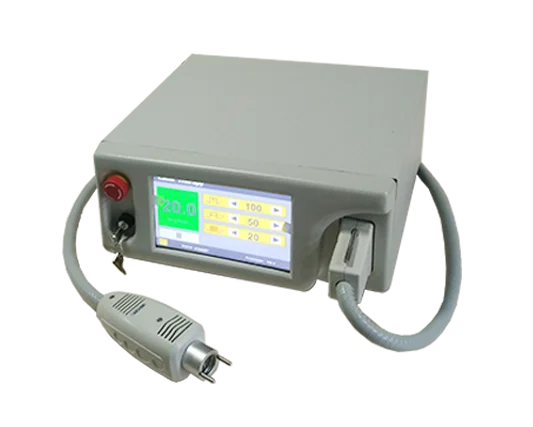
Selecting the Best Class 4 Laser for Your Facility
Choosing the appropriate Class 4 laser therapy device for your clinic requires understanding the particular needs of your patients and the conditions you aim to manage. Begin by assessing the power output of the laser. Greater power outputs can promote deeper tissue penetration, making them helpful for treating muscle and joint issues. Nevertheless, it's also crucial to consider the wavelengths available, as distinct wavelengths are suited for various therapeutic effects. If your facility addresses a diverse range of conditions, a versatile laser may offer greater versatility.
Mobility is another crucial factor when deciding on a Class 4 laser. If you intend to conduct treatments in multiple locations, a lightweight device will be more convenient. Conversely, stationary units may offer more advanced features and power but will reduce your movement. Additionally, examine the device's cooling systems, especially for high-powered models, as they boost patient comfort and guarantee the laser functions within acceptable temperature ranges throughout treatment.
Protective features and FDA clearance are crucial when purchasing a Class 4 laser. Devices that have undergone extensive safety assessments will give peace of mind for both practitioners and patients. Furthermore, think about the manufacturer's help for instruction and certification, which can significantly impact your confidence in using the technology successfully. By weighing these factors diligently, you can determine a Class 4 laser that not only meets your medical requirements but also improves your holistic health methodology.
Effectiveness and Safety in Class 4 Laser Therapy
When evaluating Class 4 laser therapy machines, efficacy is strongly linked to output power and therapeutic efficacy. Machines with variable power settings provide practitioners the flexibility to customize treatments to specific patient requirements, optimizing healing and pain management. Moreover, understanding how deep tissue penetration affects treatment results is important, as different conditions demand different depths for adequate relief. An ideal Class 4 laser therapy machine should also deliver sufficient power but also be designed to ensure that treatments are effective and maximally beneficial for different clinical applications.
Safety is a paramount concern in the use of Class 4 lasers, given their high power output. Ensuring that the device has the necessary FDA clearance is crucial for compliance and security standards. Additionally, built-in safety measures such as automatic shutoff, proper protection, and warning indicators help safeguard both the practitioner and the patient during sessions. Ergonomics and ease of use are also significant factors; machines should be user-friendly to reduce the likelihood of accidents and enhance overall safety during treatments.
Cooling mechanisms play a crucial role in maintaining the integrity and performance of Class 4 laser therapy devices. https://lightforcemedical.com/ -powered lasers generate considerable heat, and an efficient cooling system ensures both patient comfort and machine longevity. Furthermore, it is crucial for practitioners to receive sufficient training and certification from manufacturers, ensuring they comprehend how to operate the machine safely but also how to enhance treatment protocols for the highest outcomes. This combination of performance, safety measures, and adequate training generally contributes to successful and successful laser therapy applications.